
2026 Guest Speakers
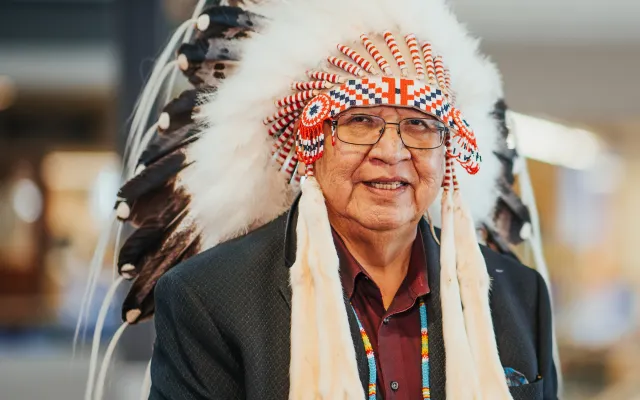
Dr. Francis First Charger
Dr. Francis First Charger is one of the University of Lethbridge’s Elder in Residence. He has graciously offered to attend our opening ceremonies on May 7th to offer us a blessing. Francis has served on many committees in the past 20 years including the Aboriginal Council of Lethbridge, the National First Nation’s Forestry Program, the Kainai First Nation /Blood Tribe steering committee for an economic impact study, and the Elder Committee and Board of Director for Opokaa’sin. He was also the special advisor to the former Lethbridge College President, Tracy Edwards.
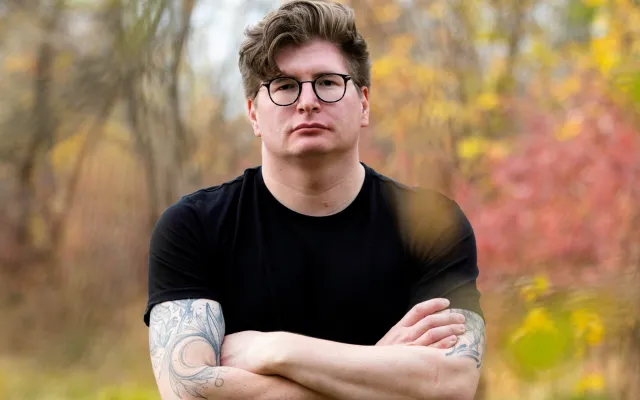
Dr. Dallas Hunt
Dr. Dallas Hunt is Cree and a member of Wapsewsipi (Swan River First Nation) in Treaty 8 territory in Northern Alberta, Canada. He has had critical work published in Settler Colonial Studies, Theory & Event, AlterNative: An International Journal of Indigenous Peoples, and the American Indian Culture and Research Journal. His debut book, CREELAND, was released by Nightwood editions in 2021. His most recent book, Teeth, was published in 2024. Dallas is an Assistant Professor in the Department of English Language and Literatures at the University of British Columbia.
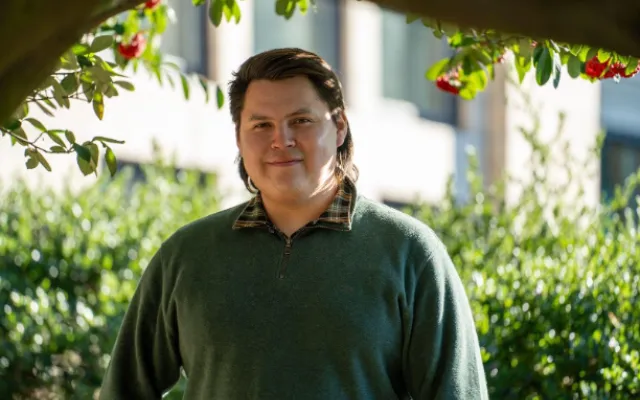
Ryan Crosschild
Ryan Crosschild / Sikapiohkiitopi is Niitsitapi (Blackfoot) from Kainaiwa (Blood Tribe), and an Assistant Professor in Sociology and Women and Gender Studies at the University of Lethbridge. Ryan’s research engages with queer Indigenous feminisms and examines the territorial dimensions of Indigenous relationality, and how Indigenous change-making is imagined, negotiated, and contested in Blackfoot territory, within the Blackfoot Confederacy, and in Niitsitapi relations with other Indigenous peoples.
Dr. Alan Martino
Dr. Alan Martino (he/him) is an Associate Professor in the Community Rehabilitation and Disability Studies program in the Department of Community Health Sciences at the University of Calgary. His main research interests include critical disability studies, gender and sexualities, feminist and critical disability studies theories, and qualitative and community-based research, particularly participatory and inclusive methodologies. His work has been published in multiple journals, including, for example, Disability Studies Quarterly, Sexuality and Disability, and Sexualities, as well as edited volumes on disability and sexualities studies. He is the lead of the Disability & Sexuality Lab at the University of Calgary. In recognition of his contributions, he was awarded the 2024 Early Investigator Award by the Canadian Sociological Association and the 2024 Early Career Award by the Sociology of Sexualities Section of the American Sociological Association.
Dr. Lucas Wilson
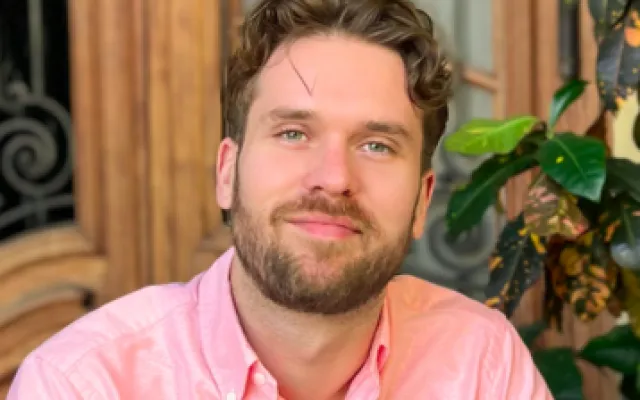
Dr. Lucas Wilson is a SSHRC Postdoctoral Fellow at University of Toronto Mississauga and was formerly the Justice, Equity, and Transformation Postdoctoral Fellow at University of Calgary. He’s the author of At Home with the Holocaust: Postmemory, Domestic Space, and Second-Generation Holocaust Narratives, which won the Jordan Schnitzer First Book Publication Award. He’s also the editor of Shame-Sex Attraction: Survivors’ Stories of Conversion Therapy and co-editor of Emerging Trends in Third-Generation Holocaust Literature, which was named a 2024 Choice Reviews Outstanding Academic Title. He’s currently working on a new anthology about LGBTQ+ experiences at Christian colleges, universities, seminaries, and divinity schools.
Dr. Steven High
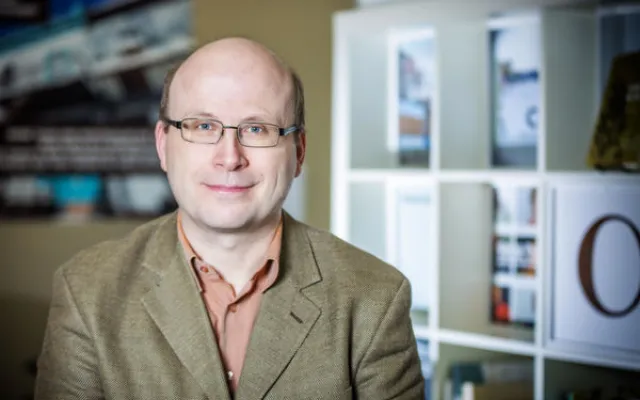
Dr. Steven High is an award-winning oral historian who co-founded Concordia's Centre for Oral History and Digital Storytelling (COHDS) and led the prize-winning Montreal Life Stories project from 2005 until 2012, where he worked in close partnership with survivor groups. He authored or co-edited a number of books and articles out of this project, including Oral History at the Crossroads: Sharing Stories of Displacement and Survival and Beyond Testimony and Trauma: Oral History in the Aftermath of Mass Violence. He also co-authored, with Liz Miller and Ted Little, Going Public: The Art of Participatory Practice. Dr. High's research on the structural violence of deindustrialization has put Canada at the centre of important global conversations about what a "just transition" might look like after past failures. His use of oral history ensures that his interpretation is grounded in the lives of working people. He has published many books and articles on this topic, including his newest monograph The Left in Power: Bob Rae's NDP and the Working Class (2025). He is currently leading a large transnational project investigating the politics of deindustrialization (see the website: deindustrialization.org). He served as President of the Canadian Historical Association from 2021-23.
Dr. Jenna Bailey
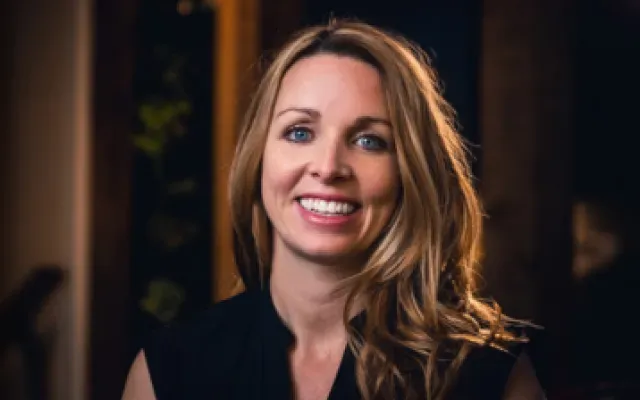
Dr. Jenna Bailey is an award winning author, oral historian, and documentary filmmaker. She is an Adjunct Assistant Professor in the Department of History at the University of Lethbridge, and a Senior Research Fellow at the Centre for Oral History and Tradition (COHT) at the University of Lethbridge. Jenna has worked on numerous community oral history projects including the multi-award winning Shiloh Centre for Multicultural Roots Project and the Coyote Flats Pioneer Village project, both of which won the Governor General's History Award for Excellence in Community Programming (2015, 2018). Jenna is also the author of the best-selling book Can Any Mother Help Me? (Faber).
Dr. Jennifer Johnson
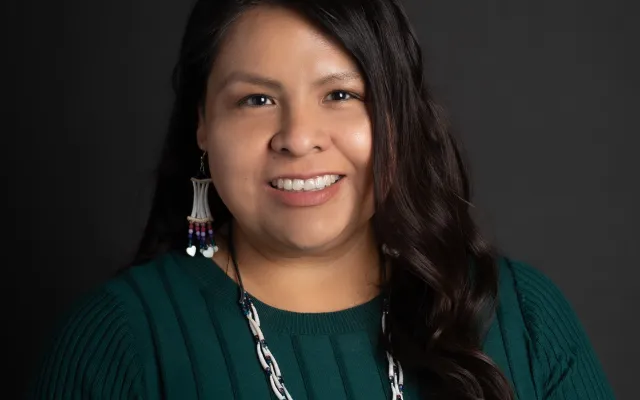
Dr. Jennifer Johnson is a citizen of the Seminole Nation and a descendant of the Sac & Fox Nation. She is an Assistant Professor and Program Coordinator for the History of Education in the department of Education Policy, Organization and Leadership in the College of Education at the University of Illinois Urbana-Champaign. In 2010, she was honored by the Seminole Nation for her efforts in language revitalization as the first recipient of the Heritage Award. Her research interests include the history of education in Indigenous communities, Indigenous language revitalization and Indigenous knowledge systems. She was a 2020 National Academy of Education/Spencer Foundation Dissertation Fellow.
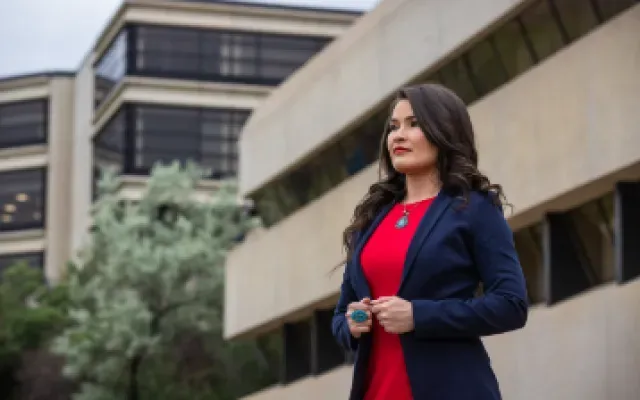
Apooyak’ii/Dr. Tiffany Hind Bull-Prete
Apooyak’ii/Dr. Tiffany Hind Bull-Prete is a member of the Kainai (Blood Tribe) of the Siksikasitapi (Blackfoot Confederacy), located in the Treaty 7 area. She holds a Canadian Research Chair, Tier II in Indigenous resiliency, and is an assistant professor in the Department of Sociology at the University of Lethbridge. Her program of work is comprised of implementing the Truth and Reconciliation Commission’s Calls to Action on the Blood Reserve. Her area of expertise includes: Indigenous secondary retention rates within the public school system, Blackfoot historical research, impacts of colonization, intergenerational trauma, transportation inequities for rural and remote Indigenous communities, and Indigenous research methodologies.
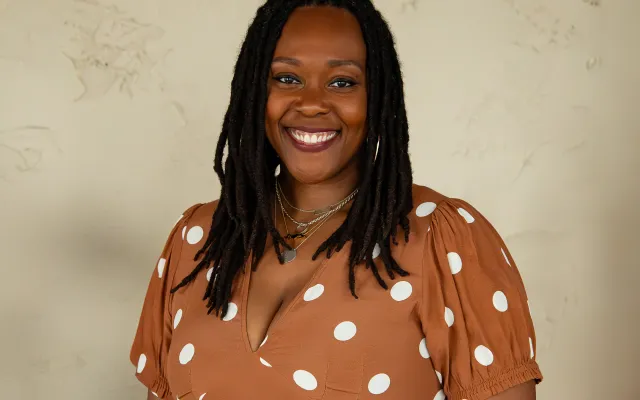
Dr. ArCasia D. James-Gallaway
Dr. ArCasia D. James-Gallaway is an award-winning interdisciplinary historian of education. Since 2020, she has worked as an assistant professor at Texas A&M University, where she also serves as a faculty affiliate in the Gender and Women’s Studies Program and in the Race and Ethnic Studies Institute. Dr. James-Gallaway’s scholarly work bridges past and present perspectives on African American struggles for educational justice. Her first book, Ordinary Sites: Black Student Resistance and the 1970s Texas School Desegregation Struggle, is the first monograph dedicated to Black Texas students in pre-collegiate school desegregation and forthcoming with the University of North Carolina Press.
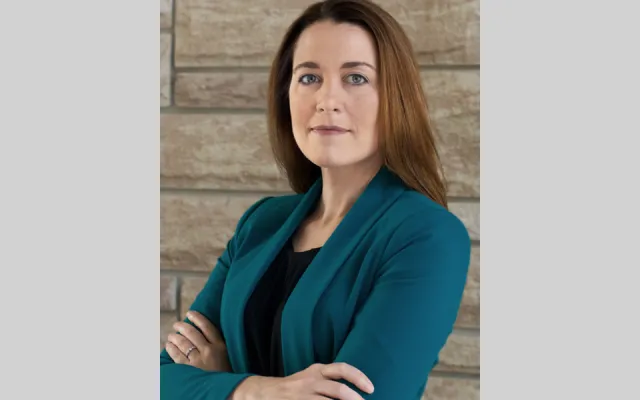
Dr. Kristina Llewellyn
Dr. Kristina R. Llewellyn is Full Professor at the Wilson College of Leadership and Civic Engagement, the Department of History, and the Global Peace and Social Justice program at McMaster University. She researches and teaches in the areas of history education, history of education, and oral history. Her research is focused on oral history for the redress of historical harms through education. Dr. Llewellyn is the co-editor of The Canadian Oral History Reader (MQUP, 2015), Oral History and Education: Theories, Dilemmas, and Practices (Palgrave, 2017), Oral History, Education, and Justice: Possibilities and Limitations for Redress and Reconciliation (Routledge, 2019) and, most recently, Women, Gender, and History Education: Perspectives from Ontario and Quebec (Palgrave, 2024). Llewellyn is currently a co-investigator on the SSHRC Partnership Grant project Thinking Historically for Canada’s Future and the primary investigator and director of the SSHRC Partnership Development Grant project Digital Oral Histories for Reconciliation: The Nova Scotia Home for Colored Children History Education Initiative (DOHR)
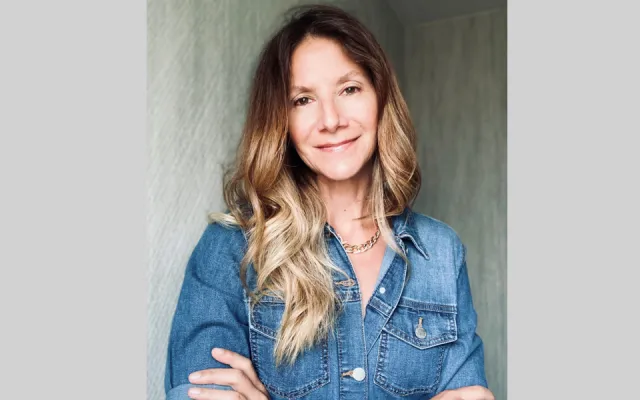
Dr. Janice Forsyth
Dr. Janice Forsyth is a Professor of Indigenous Land-Based Physical Culture and Wellness in the School of Kinesiology, Faculty of Education, at UBC, and a member of the Fisher River Cree Nation (Treaty 5). Her research investigates the impacts of colonial systems on Indigenous sport and physical activity practices, alongside their role in supporting Indigenous resurgence and self-determination. She employs Indigenous oral history methodologies that foreground story as a relational and ethical practice, shaping how histories are gathered, interpreted, and shared.
Dr. Alexandra Giancarlo
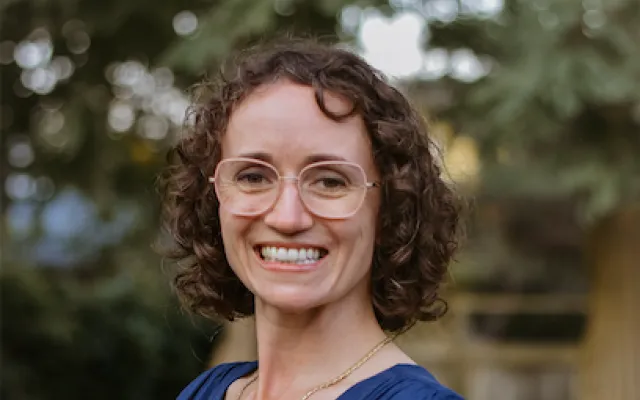
Dr. Alexandra Giancarlo is a settler scholar and an Assistant Professor in the Faculty of Kinesiology at the University of Calgary, where she applies her broad social sciences training to socio-cultural studies of sport and physical activity. The bulk of her work comprises community-engaged research with residential school survivors and their families focusing on histories that examine the impact of sports and recreation on cultural identity. In addition to co-authoring Beyond the Rink, written with Ojibwe, Cree and Oji-Cree survivors, she presently works with the Siksika (Blackfoot) Nation near Calgary to document community history about physical activity and wellbeing before, during, and after the residential school era.
Dr. Sam McKegney
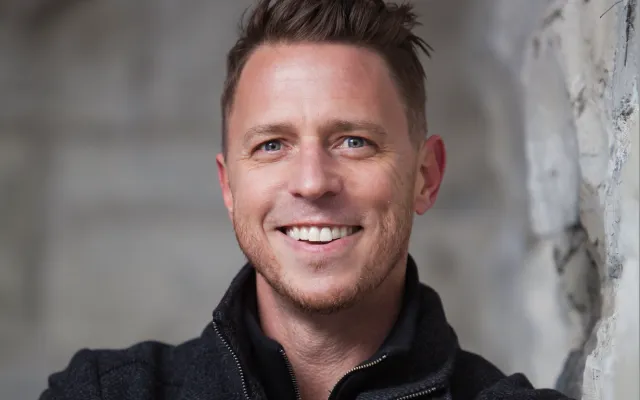
Dr. Sam McKegney is a white settler scholar of Indigenous literatures and the decolonization of sport. He has published three books—Carrying the Burden of Peace: Reimagining Indigenous Masculinities through Story (2021), Masculindians: Conversations about Indigenous Manhood (2014), and Magic Weapons: Aboriginal Writers Remaking Community after Residential School (2007)—as well as articles on such topics as masculinity, environmental kinship, prison writing, and anti-racism in hockey. He is co-Director of the Indigenous Hockey Research Network and Head of the Department of English Literature and Creative Writing at Queen’s University, which occupies lands of the Haudenosaunee and Anishinaabe Peoples.