
The University of Lethbridge’s Faculty of Education has expanded its Bachelor of Education in Early Years program with new funding support from the Government of Alberta. This expansion will create additional opportunities for aspiring educators and will help meet Alberta’s growing demand for teachers.
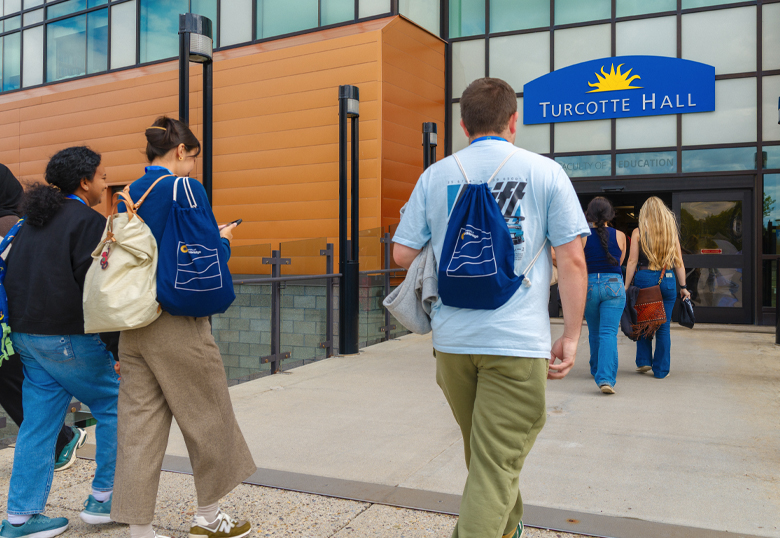
Alberta’s Ministry of Advanced Education approved a new round of Targeted Enrolment Expansion (TEE) funding on Sept. 11, aimed at creating additional seats in high-demand programs across the province. Among those programs is the Early Years Education program, which has increased its cohort size from 40 to 80 seats to start the Fall 2026 Term as a result of the TEE funding.
The four-year Bachelor of Education program provides specialized preparation for students who want to teach Kindergarten to Grade 3. Introduced in 2024, the program was designed around an interdisciplinary K–3 framework that recognizes the distinct learning and developmental needs of young children.
“We know the demand for qualified teachers is high, particularly in Kindergarten to Grade 3 where a solid foundation for learning is pivotal to later success,” says Faculty of Education Dean, Dr. Lisa Starr.
“That foundation is best laid by educators with strong backgrounds in literacy, numeracy, inclusive education, child development and relationship-based teaching; all main focuses of the program.”
Early Years students benefit from the same extensive field experiences as every student in a ULethbridge Bachelor of Education program, spending 27 weeks learning alongside mentor teachers in real classrooms — more than double the practicum experience required for teacher certification in Alberta.
“Being able to double our cohort size means that we can continue to make a positive impact on the education system in southern Alberta and beyond,” says Starr. “This expansion is an example of what can happen when government, schools and universities work together to respond to the needs of learners and the education system.”