
University of Lethbridge researchers will look at strengthening Indigenous cultural continuity thanks to grants from the Wenner-Gren Foundation and the Social Sciences and Humanities Research Council (SSHRC).
“These grants highlight the breadth of expertise at ULethbridge and the meaningful work our researchers are leading,” says Dr. Dena McMartin, vice-president (research). “They directly advance our new Research and Creative Activities Plan by strengthening our foundation in Indigenous culture and supporting projects that make a difference here in southern Alberta, in Canada and around the world.”
Advancing the Indigenous Quijos Nation of Ecuador
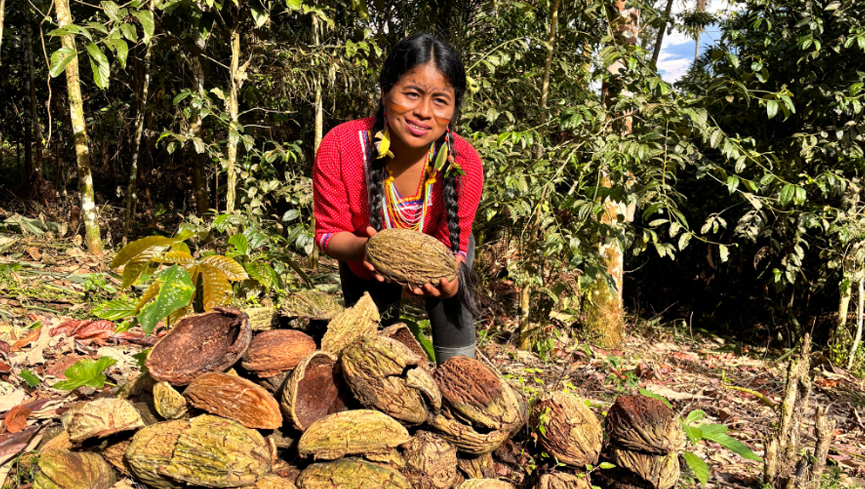
The ancestral territory of the Quijos Nation lies in the Ecuadorian Amazon rainforest, an area of rich biodiversity. Traditional Indigenous practices included subsistence gardens or chakras that are the foundation of the domestic economy. They are managed primarily by women and not only produce food but also medicine and fibres. Beginning in the 1960s, the forest has been the site of mining, logging, African palm production and cattle production, leading to ecological degradation and the loss
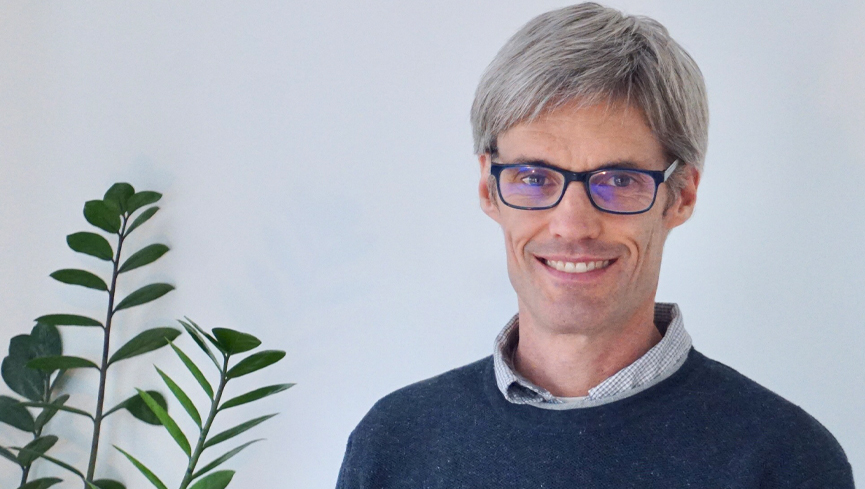
“This proposed research seeks to invert this historical power imbalance around land use and forest management practices by formulating a Quijos-centred chakra and forest management plan,” says Wilson.
The project is led by Quijos researchers and Western academics and involves establishing a Mama Chakra as a model forest garden for research, teaching and learning.
Indigenous Girls’ and Women’s Hockey

“For three days, the Gathering will bring members of diverse Indigenous girls’ and women’s hockey communities into dialogue with an array of interdisciplinary researchers involved in community-engaged research on Indigenous hockey,” says Laurendeau. “At the heart of the work is a hockey jamboree for Indigenous girls between the ages of six and 14, led by Indigenous women, many of whom experienced the IGHP themselves as participants.”
The aim of the Gathering is to curate a co-created vision for the future of Indigenous girls’ and women’s hockey programming on lands claimed by Canada and how it can be supported through research. The Gathering will also contribute to an anthology that will amplify and follow the desires of Indigenous Elders, communities, athletes and organizers.
Blackfoot language revitalization
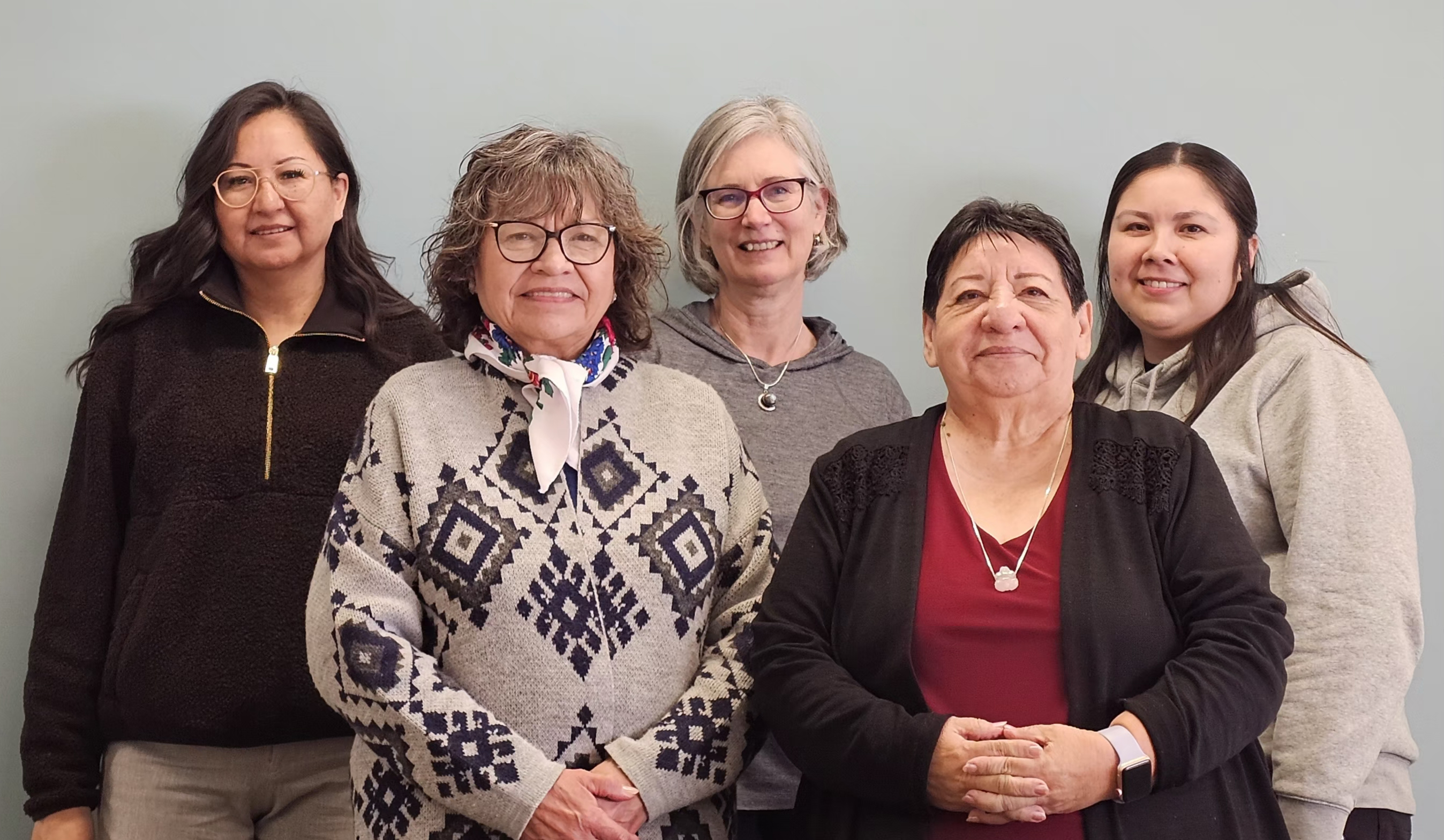
While Blackfoot is taught in schools, tribal colleges and post-secondary institutions on the reserve and in Lethbridge, Calgary and Missoula, Montana, the Blackfoot language is at a crisis point. Fluent speakers are passing away with no one to replace them.
The project, titled A’tsimaani: An invitation to Niitsi’powahsini (Blackfoot language), will bring those working on Blackfoot language revitalization, from tribal governments and teachers to community activists and non-Indigenous allies, together at a conference to develop an action plan.
“A’tsimaani means invitation, and this name was given to us by Elders Dr. Francis First Charger (LLD ’24) and Dr. Leroy Little Bear (BASc (BA) ’72, DASc ’04),” says Genee. “It underscores that, at this critical juncture, everyone is invited to participate in whatever way they see fit and with whatever skills and knowledge they have. We need all hands on deck.”
In addition to contributing to the scholarship on community-based Indigenous language revitalization work, the conference will aid the sustainability of the Blackfoot ancestral language and respond to the TRC Calls to Action.