This event is from the archives of The Notice Board. The event has already taken place and the information contained in this post may no longer be relevant or accurate.
The Alberta RNA Research and Training Institute (ARRTI) presents the ARRTI Speaker Series, a monthly lecture series established to bring leading researchers to the University of Lethbridge for lectures on a broad range of topics relating to RNA research.
The Alberta RNA Research and Training Institute (ARRTI) presents:
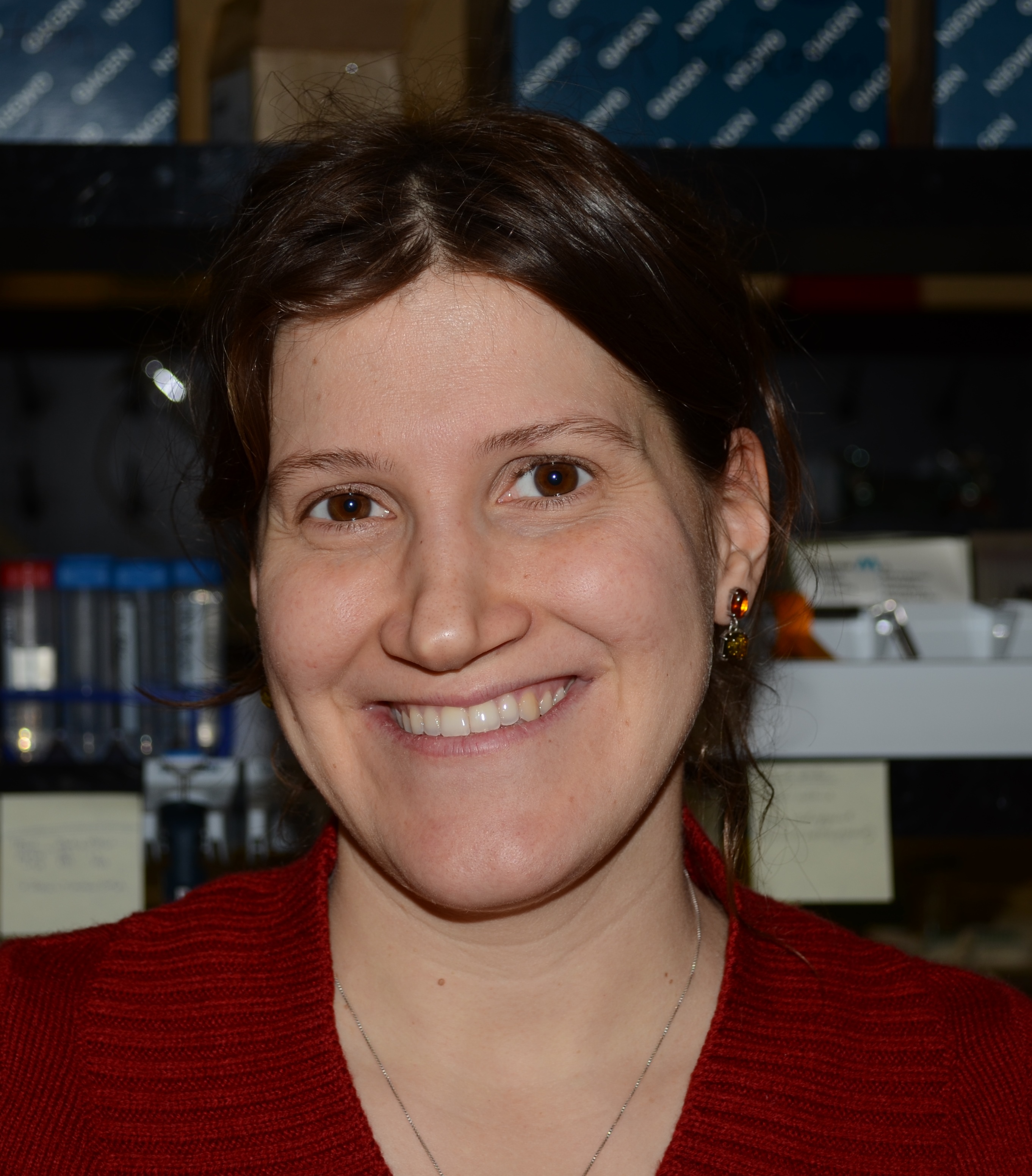
Dr. Nora Foroud
Research Scientist
Agriculture and Agri-Food Canada
Lethbridge, Alberta, Canada
"Trichothecene Mycotoxins: Inhibitors of Eukaryotic Ribosomes and Virulence Factors in Crop Diseases"
Trichothecene mycotoxins are macrocylcic fungal metabolites known to inhibit protein synthesis in eukaryotic ribosomes. These toxins are virulence factors in Fusarium head blight disease of wheat and related cereals, and they accumulate in the kernels of Fusarium-infected cereal crops. Ingestion of trichothecene-contaminated grain can cause severe intestinal irritation in mammals, resulting in feed refusal in livestock, and can lead to a potentially fatal condition in humans and other mammals known as alimentary toxic aleukia. Trichothecenes are sesquiterpenoid compounds composed of a fused ring system (cyclohexene/tetrahydropyran/cylopentene), an epoxide function known to be essential for toxicity, and five variable R-groups. Over 200 trichothecenes have been identified and they are divided into four classes (types A-D), where the A and B types are produced by the Fusarium species involved in crop diseases, and the B type predominates. Type B trichothecenes include nivalenol, deoxynivalenol (DON) and its acetylated derivatives (3-acetyl DON and 15-acetyl DON). Different degrees of toxicity have been observed among trichothecenes, and these differences are specific to the class of organism in question. For instance, DON is known to be more phytotoxic than nivalenol, whereas the latter is more harmful in mammalian systems. While it is known that these toxins inhibit protein synthesis by disrupting peptidyl transferase activity, the exact mechanism of this inhibition is poorly understood. Furthermore, it is not known how differences in trichothecene structure can affect different levels of toxicity. Our long-term goals are to better understand the toxicity mechanisms of these compounds, and as an initial step towards this end, we have employed a series of solid-state and solution-state nuclear magnetic resonance (NMR) spectroscopy experiments to study the three-dimensional structures and hydrogen-bonding patterns of both Type A and B trichothecenes.
An ARRTI Speaker Series Lecture
Wednesday, April 8th, 2015
3:00pm - 3:50pm
C674 (University Hall)
All are welcome!
About Dr. Foroud
Dr. Nora Foroud is a research scientist at the Lethbridge Research Centre, Agriculture and Agri-Food Canada, studying a disease of wheat known as Fusarium head blight. Fusarium head blight is caused by a fungus that produces trichothecene mycotoxins, which accumulate in the kernels of infected crops and are potent inhibitors of protein synthesis in eukaryotic cells. The Foroud lab uses a variety of techniques from plant pathology to molecular biology and biochemistry, to study the molecular mechanisms of trichothecene toxicity and Fusarium head blight resistance, in an effort to develop tools to minimize the impact of this disease.
Contact:
Adam Smith | rna@uleth.ca | uleth.ca/artsci/biochemistry/arrti-speaker-series